
Why Weber BBQs Need a Different Approach to Cleaning
Not all BBQs are built the same, and not all BBQ cleaning should be either.
A cheap supermarket grill is a pretty simple machine — a few grates, a burner or two, done. A Weber is an entirely different story. The engineering behind a Weber is what makes it cook so well, but it’s also what makes cleaning one a job that rewards proper knowledge of the system.
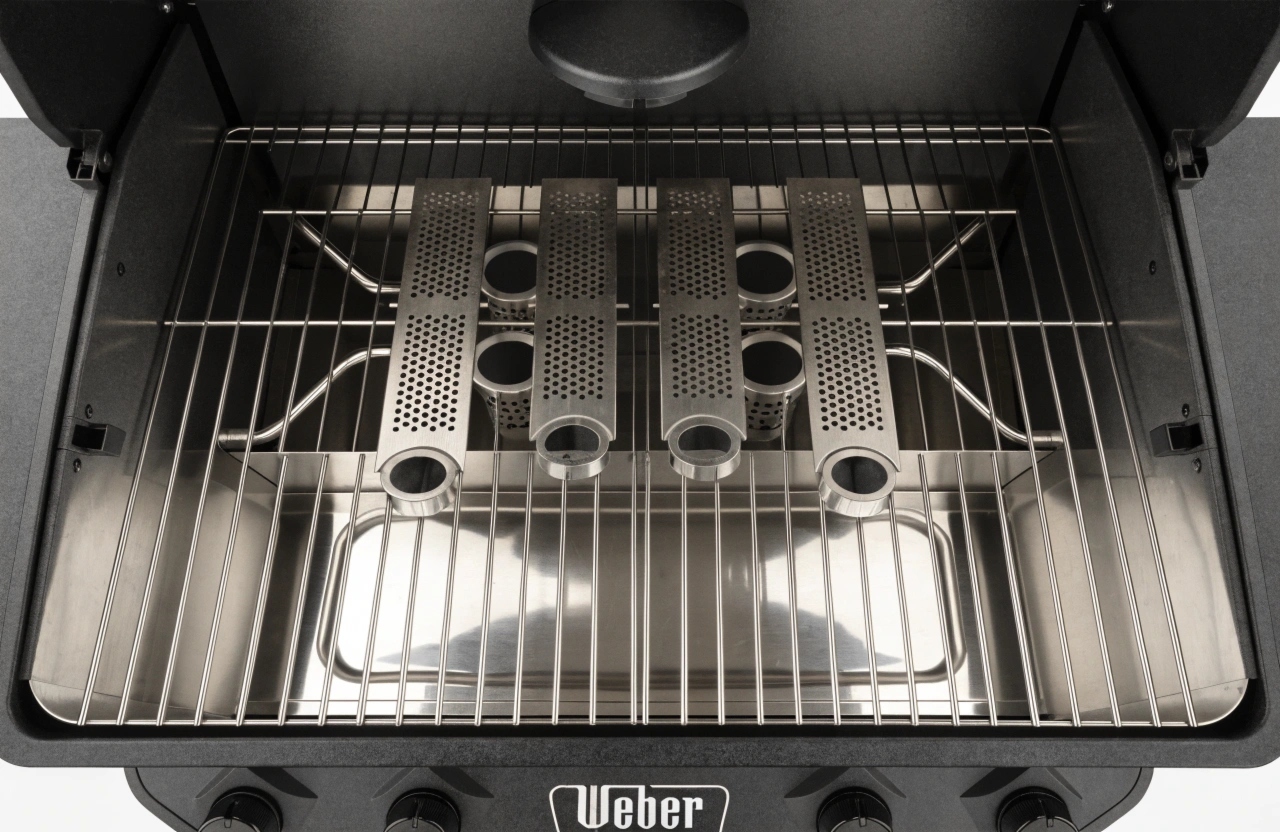
Take the Flavorizer bars. They sit directly above the burners and do two jobs — they vaporise drippings to create that signature Weber flavour, and they protect the burners from fat buildup. But over time, those bars accumulate heavy carbon deposits and hardened grease that directly interfere with both functions. A standard wipe-down doesn’t touch them properly.
Then there’s the grease management system — Weber’s integrated drip tray and catch design is genuinely clever, but it needs to be cleared regularly or it becomes a fire waiting to happen.
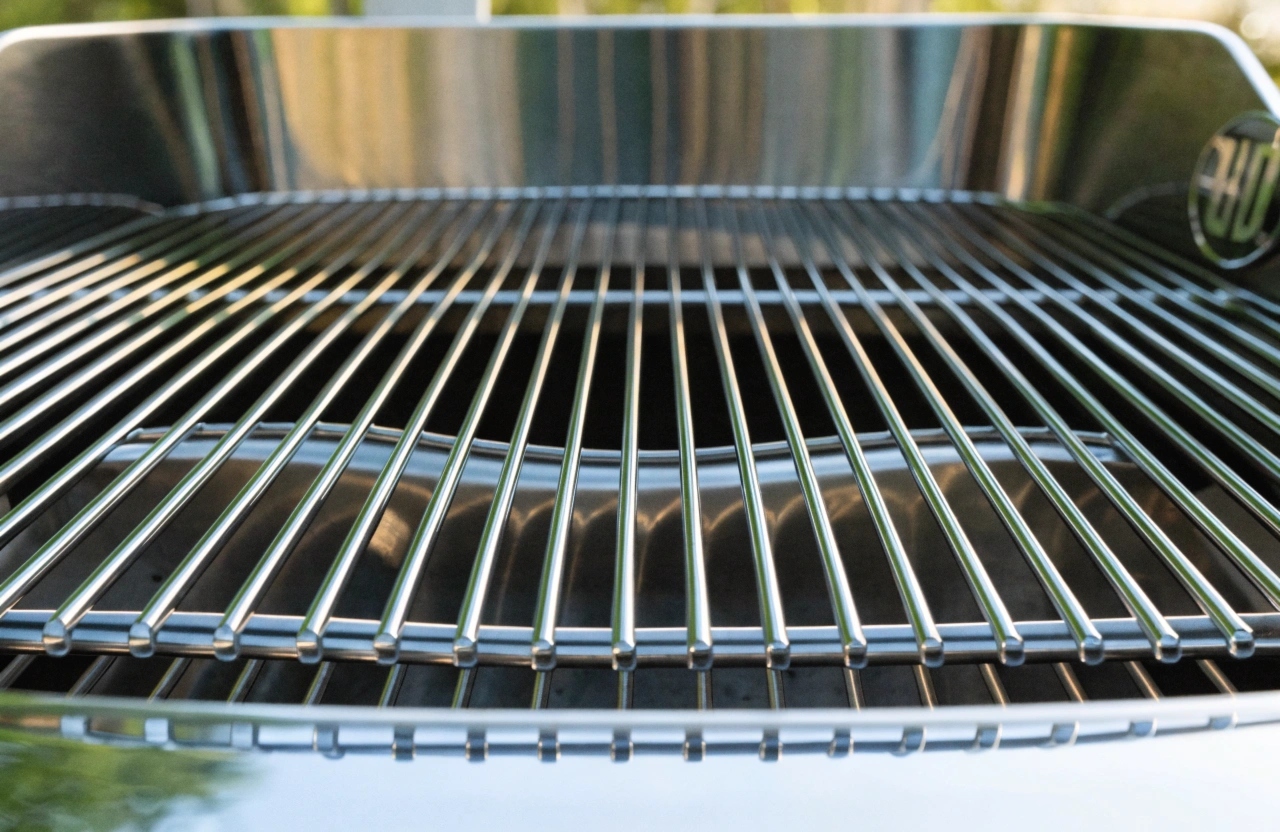
The cooking grates themselves, whether porcelain-enamelled or stainless, need specific treatment to avoid surface damage. Wrong cleaning products or abrasive tools will strip the coating and compromise the non-stick surface you paid for.
A generalist cleaner who treats a Weber like any other BBQ will either miss these components entirely or, worse, damage them. A specialist approach means knowing the system — and cleaning it the way it was designed to be maintained.

What's Included in a Professional Weber BBQ Clean
When we show up to clean your Weber, we’re not running a cloth over the grates and calling it done. Every component that affects performance, safety, and flavour gets proper attention.
Here’s what a full professional Weber clean covers:
Burners
Carbon deposits and fat residue block burner ports over time, causing uneven flame and heat distribution. We clear every port and inspect for damage that might be affecting performance.
Flavorizer Bars
These take the heaviest punishment of any component. We remove, degrease, and scrub them properly — restoring their ability to vaporise drippings cleanly rather than just burning off old carbon onto your food.
Cooking Grates
Whether your Weber runs porcelain-enamelled or stainless grates, we use the right products and tools for the surface — no scratching, no stripping, no damage to the coating.
Grease Management System
The drip tray and grease catch get fully cleared and cleaned. This isn’t optional — a neglected grease trap is a genuine fire hazard, and it’s the most commonly skipped part of a DIY clean.
Lid Interior
Carbon flakes from the lid interior land directly on your food. We remove the buildup from the inside of the hood so nothing you didn’t put there ends up on your plate.
Ignition System
We check and clean the ignition components to make sure your Weber lights reliably every time.
How Grease and Carbon Buildup Affects Your Weber's Performance
This is the part most Weber owners don’t connect until the food starts telling them something’s wrong.
When grease accumulates on the Flavorizer bars and burner tubes, it doesn’t just sit there quietly. It changes how heat moves through the entire cooking chamber. Blocked burner ports create uneven flame — one side of your grill running hot while the other barely registers. You end up constantly shifting food around trying to compensate for a problem that has nothing to do with your technique and everything to do with a BBQ that needs a proper clean.
The flavour issue is just as real. Carbon flakes from a neglected lid interior fall onto your food during cooking. Old grease on the Flavorizer bars doesn’t vaporise cleanly — it just smokes and smells, and that smell transfers directly to whatever you’re cooking. If your steaks have been tasting a bit off lately, or your chicken has an undertone you can’t quite place, a dirty Weber is the most likely culprit.
The grease trap is where the safety risk sits. A drip tray that hasn’t been cleared in several months can accumulate enough rendered fat to sustain a serious flare-up. In a worst case, that’s not just a ruined meal — it’s a genuine fire risk in your outdoor entertaining area.
A thorough clean resets all of this. Your Weber goes back to cooking the way it was designed to — even heat, clean flavour, safe operation.
Newcastle's Coastal Climate and What It Does to Your Weber
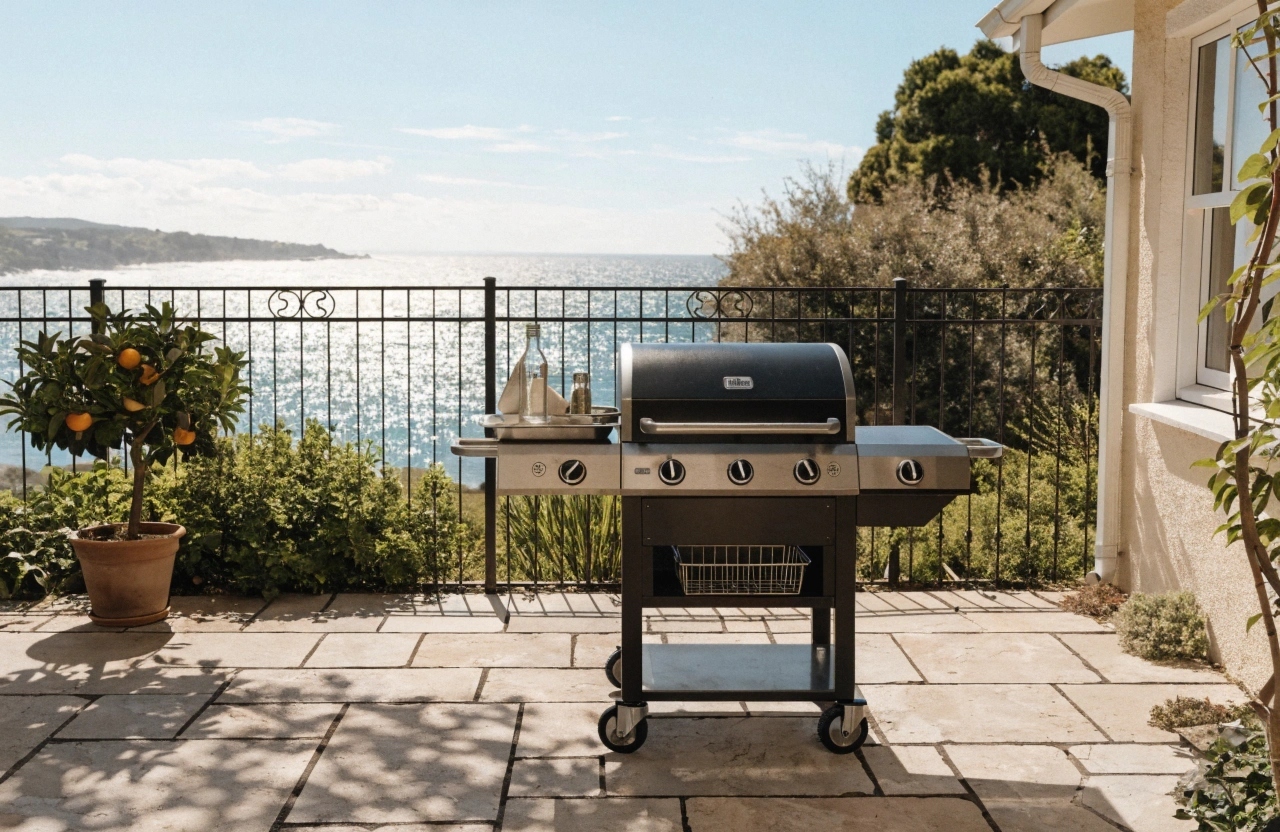
Newcastle is a brilliant place to own a BBQ. The climate supports year-round grilling in a way that Sydney or Melbourne simply can’t match — and suburbs like Hamilton, New Lambton, Wallsend, and Charlestown have the outdoor entertaining culture to prove it. But that same coastal environment that makes Newcastle such a great place to cook outdoors is also working against your Weber when it’s not being maintained.
Salt air is the main culprit. Within five kilometres of the coast, airborne salt particles settle on every exposed metal surface — and your Weber, even when covered, isn’t immune. Salt accelerates corrosion on cast iron grates, stainless steel burner tubes, and the Weber’s external cabinet. A BBQ that might last fifteen years in an inland suburb can show significant deterioration in half that time near the Newcastle coastline if it’s not being properly cleaned and maintained.
The year-round usage pattern makes this worse. Unlike owners in cooler climates who effectively give their BBQ a six month rest over winter, Newcastle Weber owners are cooking most weekends across all twelve months. That consistent use means grease and carbon accumulate faster, components wear harder, and the window between cleans that your Weber can tolerate without performance loss is shorter than the manufacturer guidelines assume.
Regular professional cleaning isn’t a luxury for Newcastle Weber owners — it’s what the local conditions demand. Keeping the components clean and corrosion-free is the most direct way to protect what you’ve invested in.
How Often Should You Get Your Weber Professionally Cleaned
There’s no single answer that fits every Weber owner, but usage frequency is the most reliable guide.
If you’re cooking on your Weber once or twice a week — which is pretty standard across Newcastle’s warmer months — a professional deep clean every six months is a reasonable baseline. That typically means once heading into summer to make sure everything is performing at its best for the busy entertaining season, and once coming out of it to clear the accumulated buildup before it has time to harden and corrode over the cooler months.
For heavier users cooking three or more times a week, quarterly cleaning makes more sense. At that frequency, grease trap capacity gets reached faster, Flavorizer bar buildup accelerates, and burner ports block sooner than a twice-annual service schedule can manage.
What your routine maintenance covers — and what it doesn’t
The wipe-down you do after each cook is valuable and worth doing. Brushing the grates while they’re still warm, emptying the drip tray regularly, keeping the lid clean — all of that extends the time between professional services and keeps your Weber cooking well day to day.
What it doesn’t do is reach the carbon buildup inside the burner tubes, the hardened grease on the underside of the Flavorizer bars, the residue coating the inside of the lid, or the grease accumulation in the catch system beneath the firebox. Those areas need removal, soaking, and proper degreasing — the kind of work that takes time, the right products, and knowing exactly what you’re looking at.
Protecting Your Weber Investment With Regular Professional Cleaning
A quality Weber isn’t a throwaway purchase. A Genesis series or a Weber Family Q represents a real outlay — and most Newcastle Weber owners who’ve made that investment expect to get ten or more years of reliable cooking out of it. Regular professional cleaning is one of the most direct ways to make sure that happens.
The components that deteriorate fastest when a Weber isn’t maintained are the burners and the grates. Burner tubes that stay clogged with carbon and grease don’t just perform poorly — the trapped heat causes them to burn out faster than they should. Replacement burners are an avoidable cost when the unit is being cleaned properly on a regular schedule.
Porcelain-enamelled grates that are never properly degreased develop pitting and surface breakdown over time. Once the enamel is compromised, rust follows quickly — particularly in Newcastle’s salt air environment. A set of replacement grates for a mid-range Weber isn’t cheap, and it’s a cost that proper maintenance can push years down the track.
The lid is another one. Carbon flaking from a neglected hood interior isn’t just a food quality issue — it’s a sign the interior coating is breaking down. Keeping it clean preserves the finish and the Weber’s ability to retain and distribute heat the way it was designed to.
Think of professional cleaning the same way you think about servicing your car. You don’t wait until something breaks. You maintain it on a schedule because protecting the asset is always cheaper than replacing the parts.
Frequently Asked Questions About Weber BBQ Cleaning in Newcastle
Most Weber units take between 60 and 90 minutes for a full professional clean. Larger models or BBQs that haven’t been serviced in a long time may take a little longer. We’ll give you a realistic time estimate when you book.
Not necessarily. As long as we have access to the BBQ and a water connection nearby, many customers leave us to it while they’re at work or running errands. We’ll confirm the access requirements when you make your booking.
Yes. Every product we use is food-safe and appropriate for the specific surfaces being cleaned. We don’t use anything abrasive on porcelain-enamelled grates or anything that would leave a chemical residue on cooking surfaces.
Absolutely. Heavily neglected units take more time and effort but they’re absolutely restorable in most cases. If there’s any component damage we can’t reverse — cracked Flavorizer bars, badly corroded burners — we’ll let you know clearly so you can make an informed decision about replacement.
Yes. We clean Weber Q series, Family Q, Genesis, Spirit, and Performer models across Newcastle and surrounding suburbs including Hamilton, Charlestown, Wallsend, New Lambton, and beyond.
