
Why Your Microwave Gets Dirtier Faster Than Any Other Kitchen Appliance
Most kitchen appliances get used, wiped down, and cleaned as part of a regular routine. The microwave? It gets used ten times a day and wiped down almost never. And the design of the appliance makes the buildup problem significantly worse than it looks from the outside.
Every time food is heated without a cover, steam, grease, and food particles get blasted against the interior walls, ceiling, and door. The enclosed cavity traps all of that moisture and residue with nowhere to go. What doesn’t wipe away immediately gets subjected to heat again the next time the microwave runs — and again the time after that — until it’s baked into a hardened layer that a damp cloth simply won’t touch.
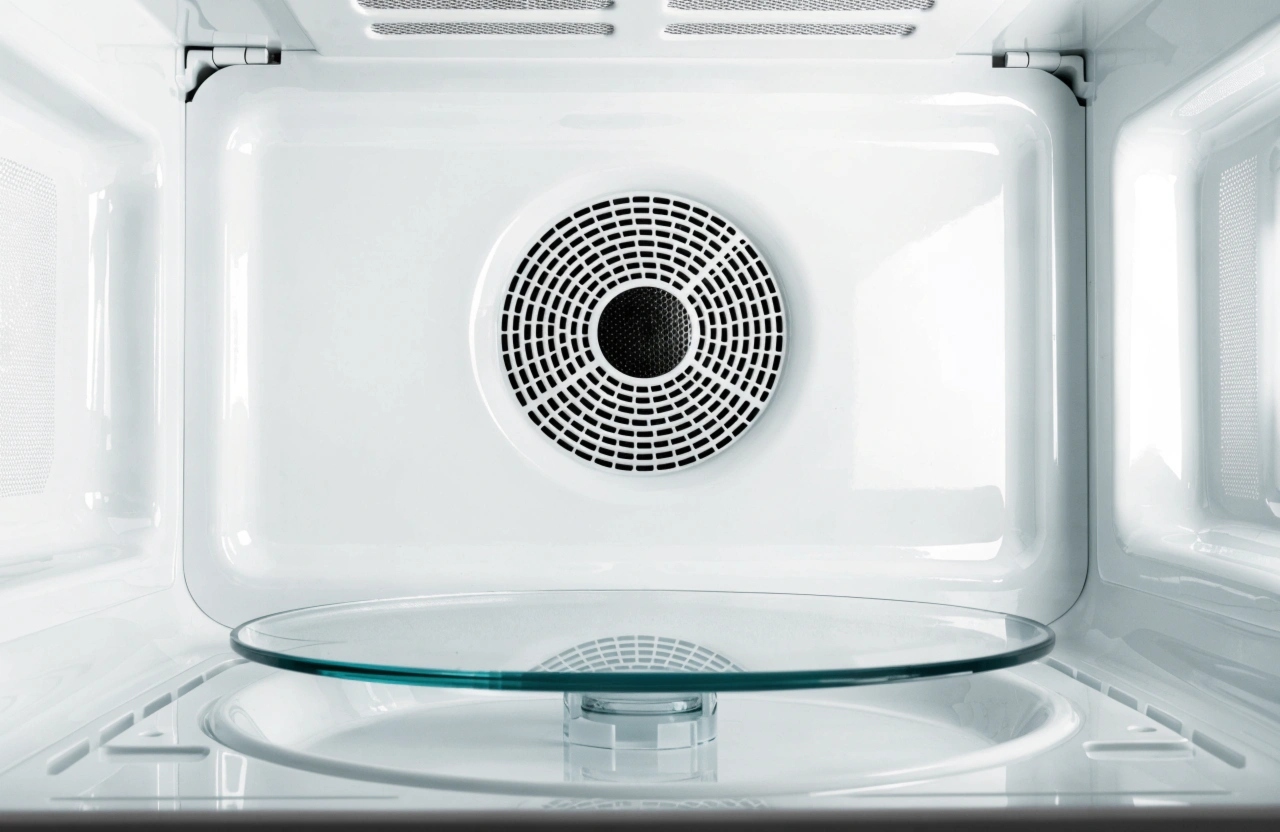
The turntable plate and ring collect drips and spills from every container that goes in. The door seal accumulates grease and food particles in the gaps where a cloth can’t reach. The ceiling of the cavity — the part most people never even look at — often has the heaviest buildup of all.
In a busy Newcastle household where the microwave is running multiple times a day for school lunches, reheated dinners, and quick weeknight meals, this cycle compounds quickly. What starts as a few small splatter marks turns into months of layered residue that needs more than a wipe to shift properly.

What a Professional Microwave Clean Actually Covers
A professional microwave clean isn’t just a more thorough version of what you’d do with a sponge and some spray. It’s a systematic process that addresses every surface inside and outside the appliance — including the areas that rarely get touched during a standard household clean.
Here’s what gets covered in a professional service:
• Interior cavity walls and ceiling — the primary zones for baked-on food splatter and grease deposits, treated with food-safe products that break down hardened residue without damaging the interior coating
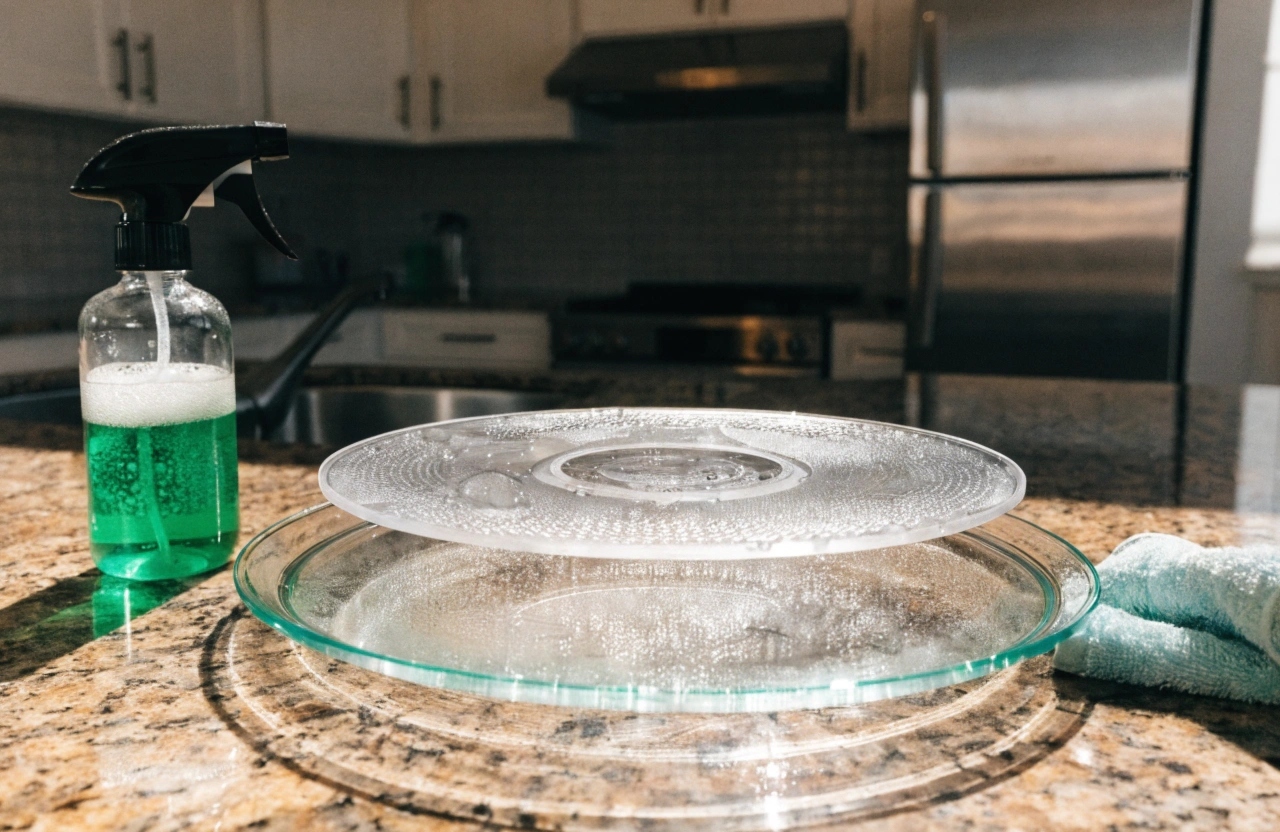
• Turntable plate and ring — removed, fully degreased, and sanitised before being replaced
• Door interior — including the inner glass panel and the surrounding frame where grease and moisture accumulate with every use
• Door seal — cleaned along the full length of the gasket where food particles and grease get trapped in the grooves
• Exterior casing — the handle, control panel, and outer surfaces wiped down and decontaminated
• Ventilation areas — cleared of grease and dust buildup that can affect appliance performance over time
Every surface that comes into contact with food, steam, or heat during normal use gets properly addressed. The result isn’t just a microwave that looks cleaner — it’s one that’s been fully decontaminated from the inside out, using products that are completely safe for an appliance that heats your family’s food every single day.
A Dirty Microwave Doesn't Just Look Bad — It Actually Stops Working Properly
Most people assume a dirty microwave is just a hygiene issue. What they don’t realise is that the buildup inside the cavity is actively making the appliance work harder and heat less effectively with every single use.
Baked-on food splatter and grease deposits on the interior walls and ceiling absorb microwave energy during the heating cycle. Instead of that energy going directly into heating your food, a portion of it gets absorbed by the hardened residue coating the cavity. The more buildup there is, the more energy gets diverted — which means longer heating times, uneven results, and an appliance that’s working significantly harder than it needs to just to do its job.
That’s why a microwave that once reheated a bowl of soup in ninety seconds starts taking two and a half minutes for the same task a year later. It’s not always an age or mechanical issue — sometimes it’s simply layers of accumulated splatter absorbing the energy that should be going into your food.
For Newcastle households running their microwave multiple times a day, this inefficiency adds up quickly. A professional clean that removes that hardened buildup from the cavity walls, ceiling, and turntable area effectively restores the appliance’s heating performance — and in most cases, the difference is noticeable from the very first use after the clean.
The Hygiene Risks Hiding Inside Your Microwave Right Now
There’s a common assumption that because a microwave uses heat, whatever goes in there gets sterilised in the process. Unfortunately, that’s not how it works — and the interior of a neglected microwave is one of the most bacteria-prone surfaces in the entire kitchen.
Food residue and grease deposits sitting on the cavity walls, ceiling, and turntable don’t get hot enough during normal heating cycles to be decontaminated. Instead, they sit in a warm, enclosed space that gets repeatedly exposed to steam and moisture — which are exactly the conditions bacteria and mould need to grow and multiply between uses.
The risks are real, particularly in a household where the microwave is used daily for meal preparation and reheating:
• Cross-contamination — bacteria from meat, fish, and dairy residue transferring to food heated in the same cavity
• Mould growth — developing in grease and food deposits around the door seal and cavity walls, especially in Newcastle’s humid summer conditions
• Airborne contamination — steam and vapour carrying bacteria from residue deposits directly onto food as it heats
• Persistent odours — not just unpleasant but a direct indicator of decomposing organic matter baked into the cavity surfaces
A damp cloth can remove surface-level dirt but it can’t fully decontaminate food residue that’s been baked into the cavity walls over months of repeated use. That’s exactly what a professional clean with food-safe sanitising products is designed to address properly.
That Smell Isn't Going Away With a Spray and a Wipe
If your microwave has developed a persistent smell that lingers even after a quick clean, that odour isn’t coming from the surface. It’s coming from layers of food residue and grease that have been burnt into the cavity walls, ceiling, and door interior through repeated heating cycles over months — sometimes years — of daily use.
Every time that residue gets subjected to heat again, it releases odour compounds into the enclosed cavity. The smell gets absorbed into the interior surfaces, and it builds up to the point where opening the microwave door is enough to notice it from across the kitchen. A spray and a wipe might mask it temporarily but it comes right back the next time the appliance runs.
This is where a lot of people make the problem worse, not better. Reaching for a strong chemical spray to tackle the smell inside a microwave cavity carries real risks:
• Interior coating damage — harsh chemical formulas can degrade the painted or enamel lining inside the cavity, creating rough surfaces where bacteria and residue accumulate even faster
• Food contamination — chemical residue left on cavity walls, the turntable, or the door interior gets transferred directly to food heated inside the appliance
• Component damage — aggressive sprays used around the door seal, ventilation areas, or control panel can cause long-term damage to the appliance
Professional cleaning uses food-safe, non-corrosive products specifically suited to microwave interiors — breaking down and removing odour-causing residue without putting the appliance or your family’s food at risk.
How Often Should You Get Your Microwave Professionally Cleaned?
There’s no single answer that fits every household — but there are some straightforward indicators that make it pretty easy to work out where your microwave sits on the scale.
For most Newcastle families using their microwave multiple times a day for meal prep, reheating, and quick weeknight cooking, a professional clean once or twice a year is generally enough to stay on top of the buildup before it reaches the point where performance and hygiene are genuinely affected.
That said, a few factors push that frequency higher:
You Should Book Sooner If:
• There’s a persistent smell that doesn’t clear after a standard wipe-down — this indicates deep-seated residue that needs professional treatment
• Heating times have noticeably increased for meals you heat regularly — a sign that cavity buildup is absorbing energy during the heating cycle
• Visible buildup on the ceiling or walls has reached the point where it’s no longer shifting with household cleaning products
• The turntable or door seal has heavy grease deposits that have built up through repeated use without a thorough clean
Consider a Professional Clean As Part Of:
• End of lease or pre-sale property preparation
• Post-renovation kitchen cleaning
• A full kitchen appliance deep clean alongside rangehood, stovetop, and BBQ services
For households in Wallsend, Jesmond, Lambton, and Waratah running a busy kitchen day in and day out, booking a professional microwave clean is one of the quickest and most affordable ways to genuinely upgrade the hygiene of the kitchen’s hardest working appliance.
Frequently Asked Questions About Microwave Cleaning in Newcastle
Most professional microwave cleans are completed within 30 to 45 minutes depending on the level of buildup inside the cavity. Heavy baked-on residue or significant grease accumulation around the door seal and turntable may take a little longer to treat properly.
Yes. Professional cleaning uses food-safe, non-toxic products that leave no harmful residue on the interior surfaces. Once the clean is complete and the cavity is dry, the appliance is safe to use immediately.
In most cases, yes. Food-safe products used in a professional clean are specifically formulated to break down hardened grease and baked-on food splatter that household sprays and cloths can’t shift. Extremely severe buildup may require a second treatment in some instances.
If the uneven heating is caused by cavity buildup absorbing microwave energy, a professional clean will generally improve performance noticeably. If the issue is mechanical or related to the magnetron or turntable motor, that’s a separate appliance repair matter.
Yes — a full professional clean covers the exterior casing, handle, and control panel in addition to the complete interior cavity, turntable, door seal, and door interior.
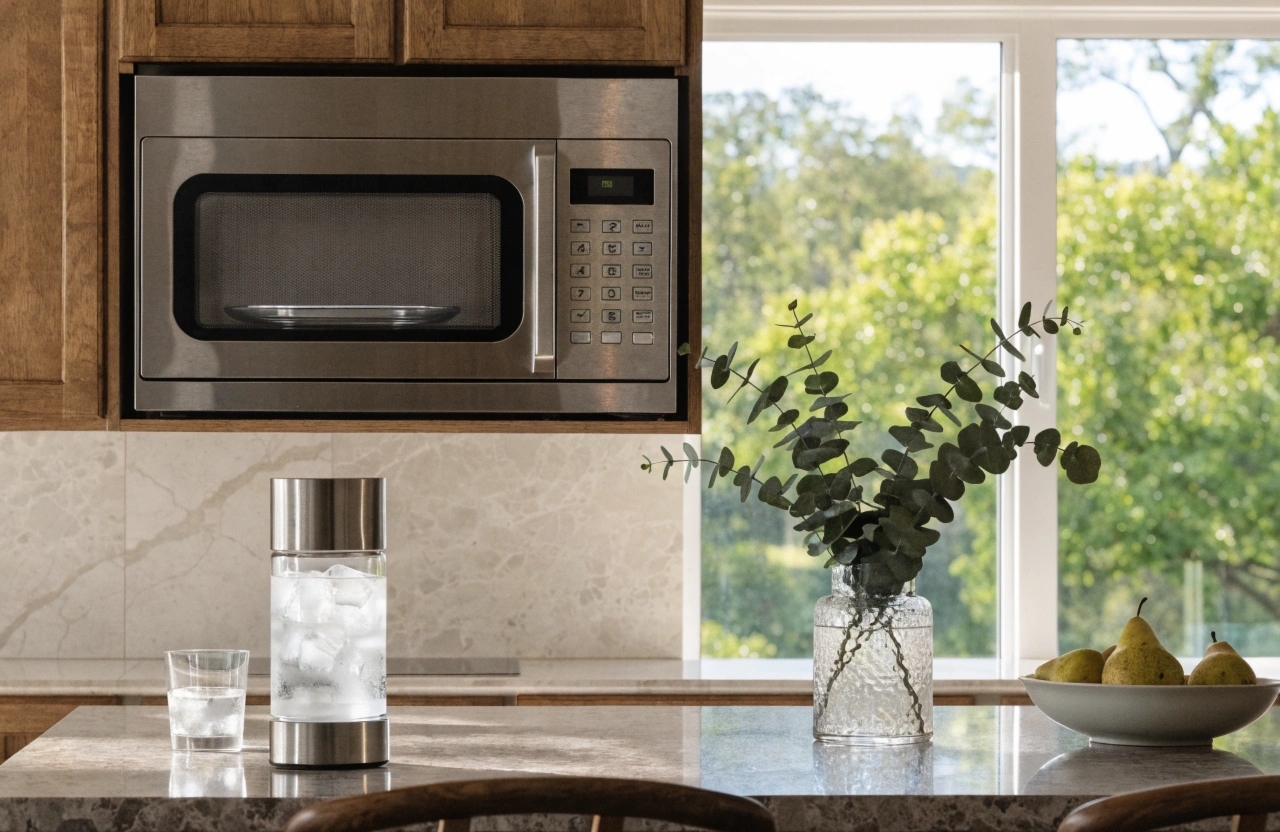
Yes. Built-in models and combination microwave rangehood units are cleaned using the same process, with attention given to the rangehood filter and ventilation components where applicable.
